
Guide · Feb 20, 2024
What Can I Do If I'm Sued Over Credit Card Debt?
Respond on time, check the paperwork, and know your defenses.
By the DebtHaus editorial team · Last updated

Short answer: File a written response (an "answer") with the court by the deadline on your summons, often 14 to 30 days depending on the state. If you don't respond, the creditor will usually get a default judgment, which can lead to wage garnishment or bank levies. Responding gives you the chance to challenge the debt, negotiate or set up a payment plan.
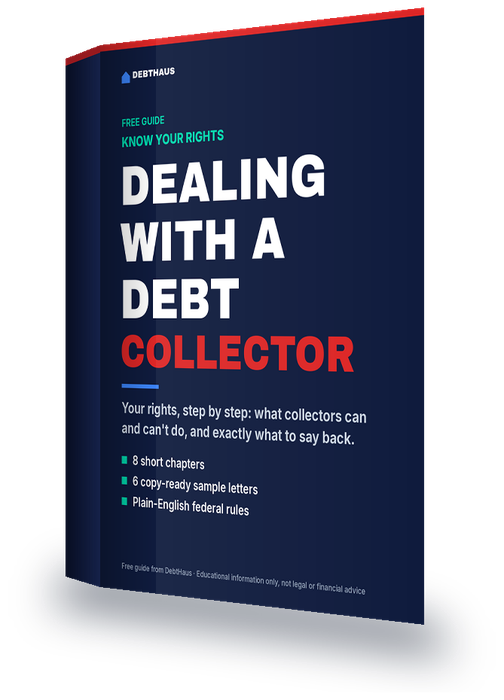
Dealing With a Debt Collector
Your rights, step by step, plus 6 sample letters. A free 29-page PDF sent to your inbox.
We email you a confirmation link first. No spam, unsubscribe anytime.
First steps after being served
- Note the deadline on the summons.
- Confirm the lawsuit is real. Call the court clerk using a number from the court's website, not the paperwork.
- Check the details: who's suing, the amount, and the date of your last payment.
- File your answer, admitting or denying each claim. Many courts have self-help centers and forms.
Common defenses
- The debt is past the statute of limitations.
- The plaintiff can't prove it owns the debt (common with debt buyers).
- The amount is wrong.
- You weren't properly served.
Settling during a lawsuit
You can still negotiate. Any settlement should be filed with the court or confirmed in writing as a dismissal.
If a judgment is already entered
You may be able to ask the court to vacate a default judgment if you weren't properly served or have another valid reason. Federal and state laws protect some income, such as most Social Security benefits, from garnishment.
Free legal help
Legal Services Corporation lists free legal aid offices. The CFPB explains your rights when sued over a debt.
Sources
Last reviewed October 12, 2026. This article is general information, not legal, tax or financial advice.
Frequently asked questions
What happens if I ignore a credit card lawsuit?
The court will usually enter a default judgment, which can allow wage garnishment or bank levies.
Can I settle after being sued?
Yes. Get the settlement in writing and make sure the case is dismissed.
Can a judgment be removed?
A court may vacate a default judgment in some circumstances, such as improper service.